

Develop a point of view
Taste. Aesthetics. Craft. Quality. What's more important is having a point of view. The rest follows.

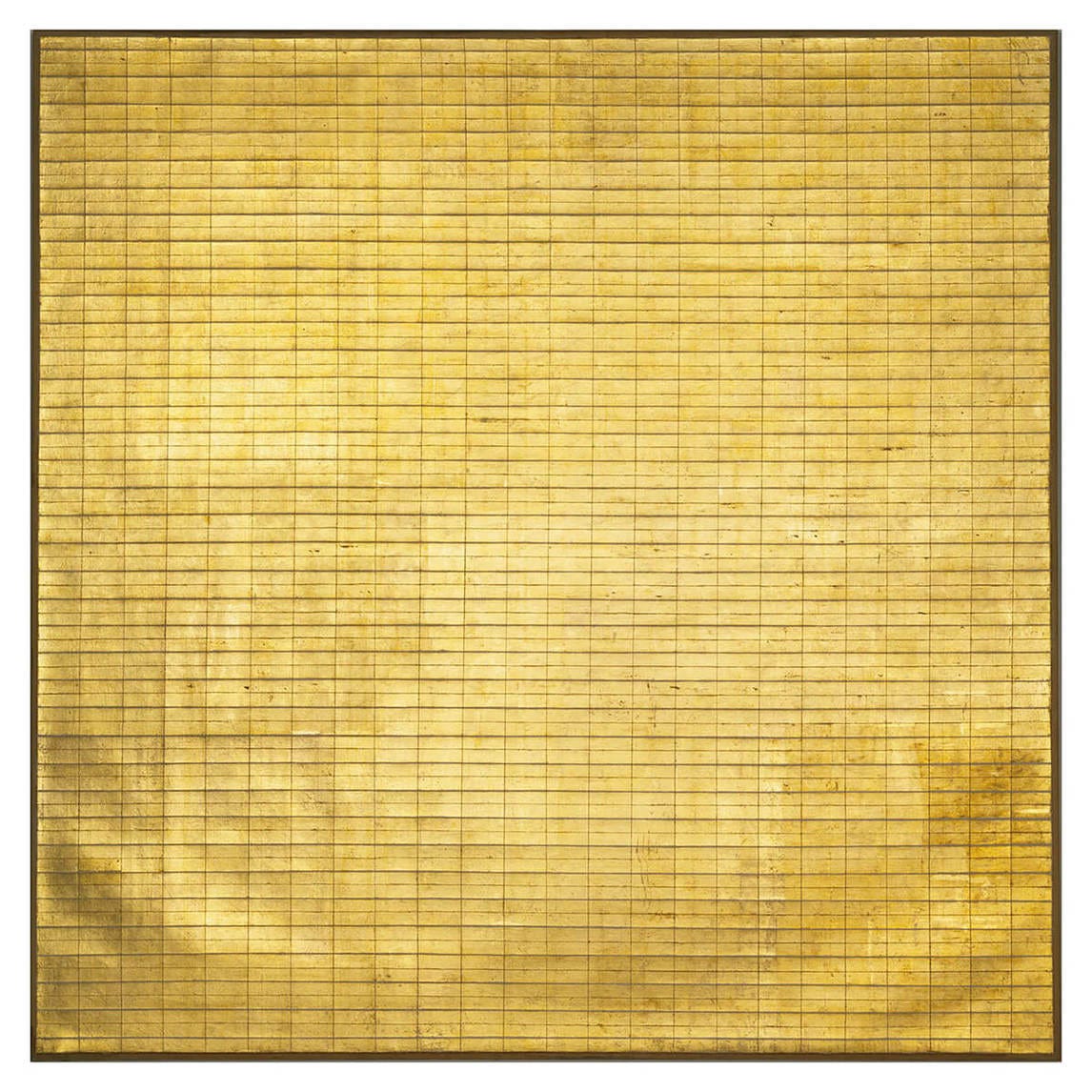
You know when someone has taste. You feel it before you can name it—a through-line in their work, a coherent strangeness that signals: this person sees something I don’t. But here’s what most conversations about taste get wrong: they treat it as a starting point. Taste isn’t where you begin. It’s where you arrive.
The most important thing a creative can have isn’t taste. It’s a point of view.
A point of view is your compass. It comes from your beliefs, your lived experiences, your obsessions, the way you connect dots. It gives your work a spine. When that spine moves through real craft, other people experience it as taste.
Taste is a byproduct. And you don’t get to award it to yourself.
It’s something other people say about you. “She has taste.” “His work has taste.” That’s reputation, not self-diagnosis. Anyone who walks around claiming they have taste is a fucking asshole. Taste is like a Pulitzer. Very few people reach those heights, and when they do, they humbly accept the award. Then they get back to work.
When I was starting out, I had a good eye. Maybe I had the self-delusion that I did, and over time this became a self-fulfilling prophecy through relentless effort. I was the friend who could see what would stick, what felt fresh, what carried cultural weight. Useful, but that’s instinct, not taste. I had opinions and could express them thoughtfully, unlike people who think they have taste and say useless things like, “I don’t like it.”
What I did have early on was a point of view.
I had strong opinions about what made good writing, compelling design, and meaningful storytelling. I read like a maniac. I studied the masters in every domain I cared about. I copied, failed, tried again. Out of that, I stitched together a small, stubborn system of beliefs.
Those beliefs became my internal standard: what I’d ship, what I’d kill, what I’d stand behind. As I learned to express them with greater clarity and skill, people started calling it taste. That’s the missing step in almost every conversation about this.
When people say, “In the age of AI, taste matters more than ever,” I nod, then pause. Taste has always mattered. Craft has always mattered. What changed was the attitude—a decade of cheap money and dopamine-fueled growth that rewarded speed over discernment, scale over depth.
Now everyone wants the shortcut. The vibe without the values. They want to moodboard their way into originality. You can’t. Because you don’t know how to see yet. Seeing is the posture of an artist.
Taste without a point of view is just styling. It’s mimicry dressed up as discernment. It’s a crypto bro wearing a Gucci tracksuit, believing he has fashion sense. What you actually need is a core set of convictions about what you’re trying to say, what you want to see in the world, and what you’re pushing against.
You don’t build that in a weekend. A point of view grows as you do. It evolves as your craft improves, as you encounter more ideas, as you sharpen your tools. It’s your creative DNA. It might change shape, but it doesn’t disappear.
Taste, by contrast, is contextual. It bends toward what’s happening in culture. Taste is timely. Point of view is timeless.
When people say, “That person has great taste,” what they’re really saying is: this person has a clear perspective and makes consistent, intentional choices. Their work feels thoughtful and alive. That feeling doesn’t come from a palette or a font. It comes from the person behind the work. They see something we can’t, and they have the skills to bring it to life.
So if you want to be someone others describe as having taste, don’t chase references. Start with the spine.
What do you believe? What do you stand for? What do you refuse to do? What makes your skin crawl? What lights you up?
Have conviction. Then express it, relentlessly, across everything you make.
Taste is not perfection. It’s not a style. It’s a signal—the visible trace of knowing what you stand for and choosing to be seen. To translate intention and thought into an experience that makes people feel something.
When I feel deeply envious of a great piece of work, I know there was thoughtfulness, craft, and a point of view. An idea expressed so clearly that I get upset I didn’t think of it myself. That’s taste. Not something the maker claimed. Something I felt.
Let other people call it that. You’ll be too busy making the next thing.
This is such an important reminder. In a world that values surface-level aesthetics and technical execution, having a strong point of view is what truly distinguishes meaningful work. It's the difference between creating content and creating something that matters. The idea that POV is what makes the rest follow really hits home—it becomes the lens through which all other decisions naturally flow.
YES! Could not agree more. I didn’t realize I was a person with so many defined preferences until I met people who were surprised by them. Now I know that my POV is my most defining feature!